

Last Updated on October 7, 2026
Quick summary: In 1980, Sri Lankan-born astronomer Chandra Wickramasinghe and British astronomer Sir Fred Hoyle proposed “cometary panspermia,” the theory that life on Earth originated from bacteria carried here by comets, rather than arising spontaneously from a chemical “primordial soup.” Decades later, observations from Halley’s Comet, the Rosetta spacecraft, and the International Space Station have all turned up biological material and microorganisms that support the theory, evidence that remains largely overlooked by mainstream science and media.
The leading scientific view on the origin of life holds that life began in a chemical solution rich with dissolved compounds, a “primordial soup,” formed from warm water inside a cavity in the Earth’s crust mixed with ocean minerals.
According to this theory, random combinations of chemicals within that primordial soup eventually reached a critical point, giving rise to the first living cells entirely on their own. While this explanation does raise real questions about the statistical likelihood of such an event ever occurring, and in truth, the odds of it happening by pure chance are vanishingly small, conventional hypotheses argue that the complexity of DNA and enzymes emerged through random chemical interactions over an extremely short span of time. Although these hypotheses imply some inherent tendency for living structures to self-assemble from non-living molecules, despite extensive laboratory experimentation, no evidence has ever been found to support such a tendency.
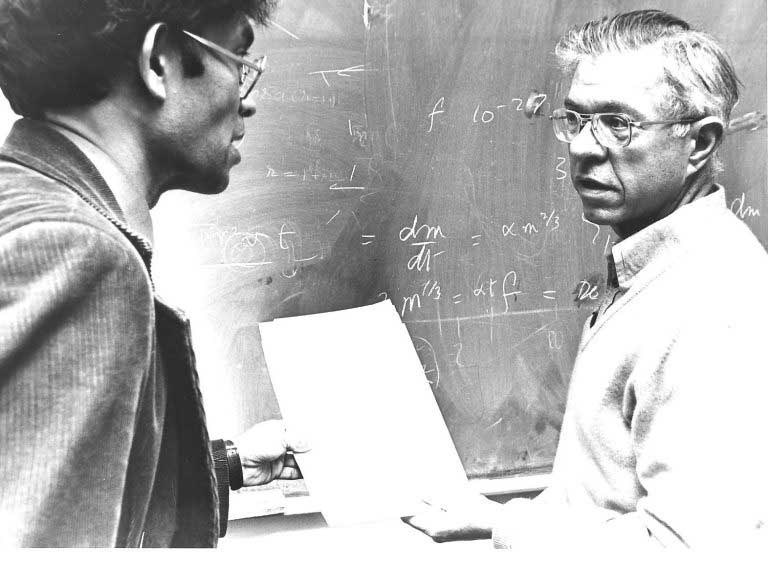
A much less popular alternative, the “panspermia” hypothesis, proposes that life originated somewhere far out in the universe. A specific version of this theory, “cometary panspermia,” was introduced in 1980 by Sri Lankan-born astronomer and mathematician Professor Chandra Wickramasinghe, together with British astronomer Sir Fred Hoyle. Although increasing evidence has emerged in recent years supporting this theory, it’s notable that neither mainstream science nor major media outlets have shown much interest in these findings.
Recent geological evidence shows that bacterial life existed on Earth as far back as 4.1 billion years ago, during a period when the planet was still being bombarded by meteorite impacts. Scientific observations of Halley’s Comet in 1986 revealed that comets carry not only their known chemical components but also other biological material, including bacterial species and viral variants. More recently, evidence gathered over the past three to four years by the Rosetta spacecraft has strongly reinforced the “living comet” and “cometary panspermia” theories put forward by Professor Chandra Wickramasinghe and Sir Fred Hoyle.
However, this new evidence offers a more conservative explanation that remains broadly compatible with the old primordial soup theory: that comets carry the organic molecules capable of generating life and act as the medium that brought the “miracle” of life to Earth.
Over the past five decades, scientists have also discovered bacteria and viruses equipped with everything needed to survive the rigors of space travel. Numerous studies have shown that bacteria can endure extreme cold, extreme heat, and intense radiation while journeying through space without being destroyed.
It’s also entirely plausible that such organisms could survive journeys lasting millions of years as they travel from planet to planet across the galaxy. This remarkable ability to survive space conditions isn’t limited to microorganisms either, plants and even tiny creatures known as “tardigrades” share it. If life and evolution had been confined to Earth alone, none of these traits would exist in the first place. This strongly confirms that extraterrestrial biological material has played an essential role both in the origin of life and in its subsequent evolution.
Challenging Conventional Science
The theories put forward by Professor Chandra Wickramasinghe and Sir Fred Hoyle pose a serious challenge to several widely accepted ideas in mainstream science. The recent discovery that a vast number of planets within our galaxy could potentially support life lends further weight to theories about life’s presence throughout the universe. For decades, Professor Chandra Wickramasinghe and Sir Fred Hoyle have argued, through their theory, that life is indeed a “cosmic phenomenon,” and that life’s emergence on Earth’s surface traces back to the farthest reaches of the universe.
It’s worth noting that cometary panspermia remains a minority position within mainstream astrobiology. Over more than four decades, Wickramasinghe and Hoyle’s work has drawn sustained criticism from scientists across astrophysics, genetics, and epidemiology, and some of its more contentious claims, including the idea that comets periodically seed new disease outbreaks on Earth, have been directly challenged by specialists in those fields.
Research With the Indian Space Research Organisation
In 2001, Sir Hoyle and Professor Wickramasinghe partnered with the Indian Space Research Organisation (ISRO) to begin searching for bacteria arriving through comets in Earth’s upper atmosphere, a search that continues to this day, with a significant number of bacteria already identified. For this work, they used balloons held at an altitude of roughly 41 kilometers above the Earth’s surface, a height at which bacteria carried naturally by Earth’s own winds have no ability to travel.
As a result of these experiments, bacterial samples distinctly different from those familiar to us were discovered. A few years later, the same results were obtained in follow-up research conducted in both India and Sheffield, in collaboration with Professor Milton Wainwright of the University of Sheffield. Since 2014, Russian scientists have also examined the exterior surface of the International Space Station, orbiting roughly 400 kilometers above Earth, and have found microorganisms and water-bearing structures not found on Earth’s surface, structures that can reasonably be concluded to have arrived via comets.
What Professor Chandra Wickramasinghe Told Me Personally
“This new discovery aligns with the other theories put forward over the past two decades suggesting that life on Earth came from space. And this process is still ongoing, even now. In truth, we, as living beings, are a unique creation of the universe, the accumulated product of changes that have taken place over an immense span of time…”
If bacteria are indeed continuously falling to Earth from space, this points toward enormous scientific discoveries still to come, discoveries that could one day reshape our understanding of both the origin of the universe and the emergence of life itself. Time alone will tell us the rest.
Afterword: On Professor Chandra Wickramasinghe
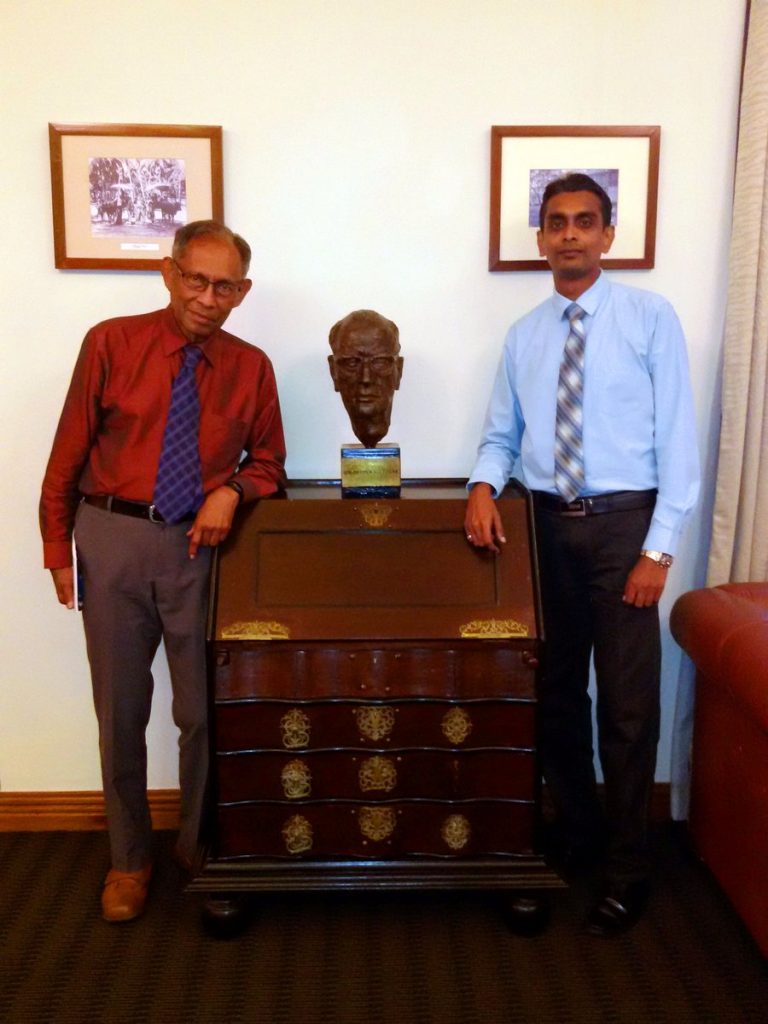
Professor Chandra Wickramasinghe is a Sri Lankan-born professor who has earned global recognition as a mathematician, astronomer, astrobiologist, evolutionary scientist, microbiologist, and international science writer.
The theory on the origin of life that he developed alongside Sir Fred Hoyle has today become the scientifically-supported view most widely accepted, and it’s also come to be seen as a view that aligns with explanations found in Buddhist philosophy.
Beyond him, his three brothers are also internationally recognized scientists and professors, carrying the Sri Lankan name to prominence across the world.
Sinhala Version / සිංහල අනුවාදය
ජීවය යනු ආශ්චර්යාත්මක සංසිද්ධියකි; වික්රමසිංහ හොයිල් සිද්ධාන්තය තහවුරු කිරීම
ජීවයේ ඇතිවීම පිළිබඳ ප්රධාන විද්යාත්මක මතයක් වන්නේ පෘථිවි කබල අභ්යන්තරයේ කුහරයකින් හටගත් උණුසුම් ජලයෙන් සහ සාගරය විසුරුවා හරින ලද රසයනික ව්යුහයන් සහිත ද්රාවණයකින් (primordial soup) ජීවයේ ආරම්භය ඇරඹුනු බවයි.
මෙම රසායනික සුප් ද්රාවණයේ (primordial soup) ඇති රසායනික ද්රව්ය අහඹු සංයෝජනයන්ට ලක්වී මෙන් එහි උච්චතම අවස්ථාව ලෙස ජීවයේ පළමු ජීව සෛල වල ස්වයං ආරම්භය සිදුව ඇත. මෙම පැහැදිලි කිරීම ප්රායෝගිකව සිදුවීමේ සම්භාවීතාව පිළිබඳ යම් ගැටලුකාරී තත්වයන් ඇති අතරම, බොහෝ දුරට එවැනි සංසිද්ධියක් සිදුවීමේ හැකියාවක් නොමැත. සාම්ප්රදායික කල්පිත යෝජනා කරන්නේ, DNA හා එන්සයිමවල සංකීර්ණත්වය ඉතා කෙටි කාලසීමාවක් තුළ රසායනික ද්රව්යන්ගේ අහඹු හුවමාරුවකින් සිදුවූ බවයි. එම කල්පිතයන් මගින් අජීවී අණු වලින් ජීවී ව්යුහයන් ගේ ස්වයං-එකලස් වීම පිළිබඳ සහජ ප්රවණතාවක් පිළිබඳ මතයක් ඇඟවුනද, විද්යාගාර පරීක්ෂණ බොහොමයක් සිදු කළද එවන් ප්රවණතාවයක් ඇති බවට කිසිදු සාක්ෂියක් මේ වනතුරු හමුව නොමැත.
එමෙන්ම එතරම් ජනප්රිය නොවු ‘Panspermia’ කල්පිතයට අනුව ජිවයේ ආරම්භය විශ්වයේ ඈත තැනක සිදුව ඇත. මෙම න්යායේ විශේෂිත සංස්කරණය ලෙස, ශ්රී ලංකාවේ උපත ලද තාරකා විද්යාඥයෙකු හා ගණිතඥයකු වන මහාචාර්ය චන්ද්රා වික්රමසිංහ සමඟ බ්රිතාන්ය තාරකා විද්යාඥයෙකු වන ශ්රීමත් ෆ්රෙඩ් හොයිල් විසින් 1980 දී ඉදිරිපත් කරන ලද “Cometary panspermia” සිද්ධාන්තය හඳුන්වා දිය හැක. මෑත කාලීනව මෙම සිද්ධාන්තයට සනාථ වන සාක්ෂි වැඩි වශයෙන් හමුව ඇති මුත්, විද්යාව මෙන්ම ප්රමුඛ පෙලේ මාධ්යන් පවා මෙම සොයා ගැනීම් පිළිබඳ එතරම් උනන්දුවක් නොදක්වන බවක් දැක ගත හැක.
මෑත කාලීන භූගෝලීය සාධක පෙන්නුම් කරන්නේ පෘථිවිය මත ඇති වී තිබෙන බැක්ටීරියා ජීවින් වසර බිලියන 4.1 කට පෙර, පෘථිවිය උල්කාපාත පතිතවීම් වලට ලක්වූ කාල වකවනුවේ පවා පැවති බවයි. 1986 කාල වකවානුවේ හැලීගේ ධූමකේතුව පිලිබඳ කරන ලද විද්යාත්මක නිරීක්ෂණයකිරීම් වලදී පැහැදිලි වූ කරුණක් වූයේ, ධූම කේතු වල පවතින සංඝටකවලට අමතරව වෙනත් ජීවී ද්රව්ය, බැක්ටිරිය විශේෂයන් වයිරස් ප්රබේදයන් අන්තර් ගතව තිබූ බවයි. පසුගිය වසර තුන-හතරක කාලය තුල Rosessta අභ්යවකාශ යානය සිදු කළ නිරීක්ෂණ වලදී සොයා ගත් සාක්ෂී සලකා බැලීමේදී මහාචාර්ය චන්ද්රා වික්රමසිංහ මහාතා සහ ශ්රීමත් ෆ්රෙඩ් හෝල් විසින් ඉදිරිපත් කරන ලද “Living comet” සහ “Cometary panspermia” යන සිද්ධාන්තයන් මනාව තහවුරුවේ.
එහෙත් මෙම නව සාක්ෂිය පැරණි ප්රාථමික සුප් න්යායට (Primordial soup) අනුකූල සිදුවිය හැකි වඩාත්ම ගතානුගතික පැහැදිලි කිරීම ලබා දී ඇත. එනම් වල්ගා තරු ජීවීන් බිහි කරන කාබනික අණු රැගෙන යන අතර පෘතුවියට ජීවය ලබාදීමේ “ආශ්චර්ය” රැගෙන එන මාධ්ය ලෙස ක්රියා කරන බව තහවුරු වේ .
එසේම පසුගිය දශක පහ තුළදී අභ්යවකාශ ගවේෂණය සඳහා යෝග්ය වන සියලු අවශ්යතාවන් ඇති බැක්ටීරියා මෙන්ම වෛරස් සොයාගෙන තිබේ. බොහොමයක් පර්යේෂණවලින් පෙන්නුම් කර ඇත්තේ බැක්ටීරියා සතුව දැඩි සීතල, තාපය, තද විකිරණ තත්ව තුලදී පවා විනාශ නොවී අභ්යාවකාශය තුල ගමන් සංචාරය කළ හැකි හැකියාවක් ඇති බවයි.
එසේම නියත වශයෙන්ම වසර මිලියන ගණනක් ග්රහලෝකයකින් ග්රරහලෝකයක් වෙත ක්ෂීරපතය හරහා ගමන් කිරීමේ දී ඒවාට නොනැසී පැවතිය හැක. ක්ෂුද්ර ජීවීන් පමණක් නොව, ශාක හා “Tardigrades”ලෙස හැඳින්වෙන කුඩා කෘමීන් ට පවා අභ්යවකශ තත්වයන් යටතේ දී නොනැසී පැවතීමේ මෙම විශ්මය ජනක හැකියාව ඇත. ජීවය හා පරිණාමය පෘථිවියට සීමා වී තිබුනේ නම්, මෙවැනි සියළු ගුණාංගයන් පැවතීමේ හැකියාවක් නොමැත. ජීවයේ මූලාරම්භය සහ එහි පසු කාලීන පරිණාමය යන දෙක සඳහාම අභ්යවකාශ ජීව පදාර්ථයන්ගේ අත්යාවශ්ය සාධකයකක් බව මෙයින් මනාව තහවුරු වේ..
මහාචාර්ය චන්ද්රා වික්රමසිංහ සහ ශ්රීමත් ෆ්රෙඩ් හොයිල් ගේ මෙම සිද්ධාන්තයන් සාම්ප්රදායික විද්යාවේ එන සමහරක් සිද්ධාන්තයන් දැඩිලෙස අභියෝගයට ලක් කරනු ලබයි. අපගේ ක්ෂීරපතයේ පමණක් වාසය සඳහා සුදුසු ග්රහලෝක විශාල ප්රමාණයක් පවතින බවට මෑතක දී අනාවරණය කර ගන්නා ලද අතර එම සොයා ගැනීමට අනුව විශ්වය පුරා ජීවයේ පැවැත්ම පිළිබඳ සිද්ධාන්තයන් තව දුරටත් තවුරු කරයි. ජීවය යනු “ආශ්චර්යාත්මක සංසිද්ධියක් බවත්, පෘථිවි පෘෂ්ඨය මත ජීවයේ හටගැනීම විශ්වයේ දුර ඈත ඉසව්වක් දක්වා දිව යන බවත් මහාචාර්ය චන්ද්රා වික්රමසිංහ සහ ශ්රීමත් ෆ්රෙඩ් හොයිල් සිය සිද්ධාන්තයෙන් ඔස්සේ දශක ගණනාවක් තර්ක කරති.
වසර 2001 දී ශ්රීමත් හොයිල් සහ මහාචාර්ය වික්රමසිංහ ඉන්දීය අභ්යවකාශ පර්යේක්ෂණ සංවිධානය ( Indian Space Research Organisation – ISRO) සමග එක්ව පෘථිවි අපවර්තී ගෝලය වෙත ධූම කේතු හරහා පැමිණෙන බැක්ටීරියා සෙවීමි කාර්ය අරම්භ කළ අතර දැනුදු විශාල සංඛ්යාවක් බැක්ටිරියාවන් අනාවරණය කර ගනිමින් පවතී. ඔවුන් මේ සඳහා පෘථිවි පෘෂ්ඨයේ සිට කිලෝමීටර 41ක් පමණ දුරකින් රැඳවූ බැලූන භාවිතා කරන ලද අතර එමගින් පෘථිවියට ආවේනික සුළං ඔස්සේ පැතිරෙන බැක්ටීරියාවන්ට කිලෝ මීටර 41ක් වැනි දුරක් සංක්රමණය වීමේ හැකියාවක් නැත.
මෙම පරීක්ෂණයන්ගේ ප්රථිපල ලෙස අපට හුරු පුරුදු වන බැක්ටීරියා වලට වඩා වෙනස් බැක්ටීරියා සාම්පල සොයා ගන්නා ලදී. එයින් වසර කිහිපයකට පසුව ෂෙෆීල්ඩ් විශ්ව විද්යාලයේ මහාචාර්ය මිල්ටන් වේන්රයිට් සමග ඉන්දීයාවේ සහ ෂෙෆීල්ඩ් වලදී සිදුකරන ලද පරීක්ෂණ කටයුතු වලදී ද එම ප්රතිඵලයම ලැබී ඇත. වසර 2014න් පසු රුසියානු විද්යාඥයින් පෘථිවියේ සිට කිලෝමීටර 400ක් ඉහල අභ්යවකාශයේ කක්ෂගතව ඇති ජාත්යන්තර අභ්යවකාශ මධ්යස්තානයේ මතුපිට පෘෂ්ඨ පරීක්ෂාවට ලක් කර ඇති අතර එහිදී පෘථිවිය මතු පිට දැකිය නොහැකි ක්ෂුද්ර ජීවීන් සහ ජලයේ පාවෙන ව්යුහයන් සහිත පාරභෞමික සම්භවයන් හමුව ඇති අතර, ඒවා නිසැකවම ධූම කේතු ඔස්සේ පැමිණි බවට නිගමනය කළ හැක.
මහාචාර්ය චන්ද්රා වික්රමසිංහ මහතා මා හා පැවසූ පරිදි
“මේ නව සොයා ගැනීම, පසුගිය දශක දෙක තුල ඉදිරිපත් කළ පෘථිවිය මත ජීවය පැමිණියේ අභ්යවකාශයේ සිට යන අනිකුත් මත සමග ගැලපෙනවා. ඒ වගේම් මෙම ක්රියාවලිය තවමත් නොනැවතී සිදුවෙනව. සත්ය වශයෙන්ම අපි (සත්වයා) විශ්වයේ අද්විතීය නිර්මාණයක්. දීර්ග කාලයක් මුළුල්ලේ සිදුවු වෙනස්කම් වල එකතුවක්…”
බැක්ටීරියා නිරන්තරව අභ්යාවකාශයේ සිට පෘථිවියට පතිත වෙන්නේ නම්, එය මතු දිනක විශ්වයේ සම්භවය මෙන්ම ජීවයේ ඇතිවීම පිළිබඳ අපගේ දෘෂ්ටිය පරිණාමය කරවන අතිවිශාල විද්යාත්මක සොයාගැනීම් වලට මග පාදනු ඇත. මතු දිනක කාලය විසින් මේ සැමදෙයක්ම පවසනු ඇත.
පසු වදන:
මහාචාර්ය චන්ද්රා වික්රමසිංහ යනු ගණිතඥයෙකු, තාරකා විද්යාඥයෙකු, සෞරග්රහ පරීක්ෂකයකු, පරිණාම විද්යාඥයකු, ක්ෂුද්ර රෝගකාරක විද්යාඥයකු, අන්තර්ජාතික විද්යා ලේඛකයකු ලෙස ලොවක් දිනූ ශ්රී ලාංකිය මහාචාර්ය වරයෙකි.
ශ්රීමත් ප්රෙඩ් හොයිල් සමග ඔහු විසින් ඉදිරිපත් කළ ජීවයේ උපත පිළිබඳ මතය වර්තමානයේ වැඩිම පිරිසක් පිළිගන්නා විද්යානුකූල සාක්ෂි සහිත මතය බවට පත්ව ඇති අතර, එය බුදු දහම විද්යාවෙන් තහවුරු කරනා මතයක් බවටද පත්ව තිබේ.
ඔහු පමණක් නොව, ඔහුගේ සොහොයුරන් තිදෙනාද ලෝ සුපතල විද්යාඥයන් / මහාචාර්යවරුන් ලෙස ශ්රී ලාංකා නාමය ලොව බබළවයි.
Frequently Asked Questions
Cometary panspermia is a theory proposed in 1980 by Professor Chandra Wickramasinghe and Sir Fred Hoyle, arguing that the origin of life on Earth, and its continued evolution, was influenced by bacteria and other microorganisms arriving via comets from space.
Observations of Halley’s Comet in 1986 and later findings from the Rosetta spacecraft found evidence of bacterial species and viral material within comets, evidence Wickramasinghe and Hoyle point to as support for their theory, though it remains a minority position in mainstream astrobiology.
Chandra Wickramasinghe is a Sri Lankan-born mathematician, astronomer, and astrobiologist who, together with Sir Fred Hoyle, proposed the cometary panspermia theory.
Since 2014, Russian scientists examining the exterior surface of the International Space Station have found microorganisms and structures not naturally found on Earth’s surface, which researchers concluded likely arrived via comets.
No. It remains a minority position within mainstream astrobiology. While Wickramasinghe and Hoyle point to decades of supporting evidence, the theory has drawn sustained criticism from scientists across astrophysics, genetics, and epidemiology, and some of its more contentious claims have been directly challenged by specialists in those fields.

© Dinesh Abeywickrama Ph.D. (Reading), MBCS, MBA, BCS
References
- Wickramasinghe, N.C., 2024. Cometary panspermia: A radical theory of life’s cosmic origin and evolution. Research Features. Available at: https://researchfeatures.com/cometary-panspermia-radical-theory-lifes-cosmic-origin-evolution/
- Wickramasinghe, C., 2012. DNA sequencing and predictions of the cosmic theory of life. Available via arXiv: https://arxiv.org/pdf/1208.5035
- Steele, E.J. et al., 2018. Cause of Cambrian Explosion — Terrestrial or Cosmic? Progress in Biophysics and Molecular Biology. ScienceDirect: https://www.sciencedirect.com/science/article/pii/S0079610718300798
- Wikipedia contributors, 2025. Chandra Wickramasinghe. Wikipedia. Available at: https://en.wikipedia.org/wiki/Chandra_Wickramasinghe
- Wickramasinghe, N.C., 2011. Viva Panspermia! Cardiff Centre for Astrobiology, Cardiff University. Available via arXiv: https://arxiv.org/pdf/1101.4295
- Wijewardene, U.P., 2019. Life is a cosmic phenomenon; Wickramasinghe – Hoyle theories vindicated. Available at: https://www.siyalla.com/life-is-a-cosmic-phenomenon-wickramasinghe-hoyle-theories-vindicated-by-piyavi-wijewardene/